Tel: +255 767 885 612

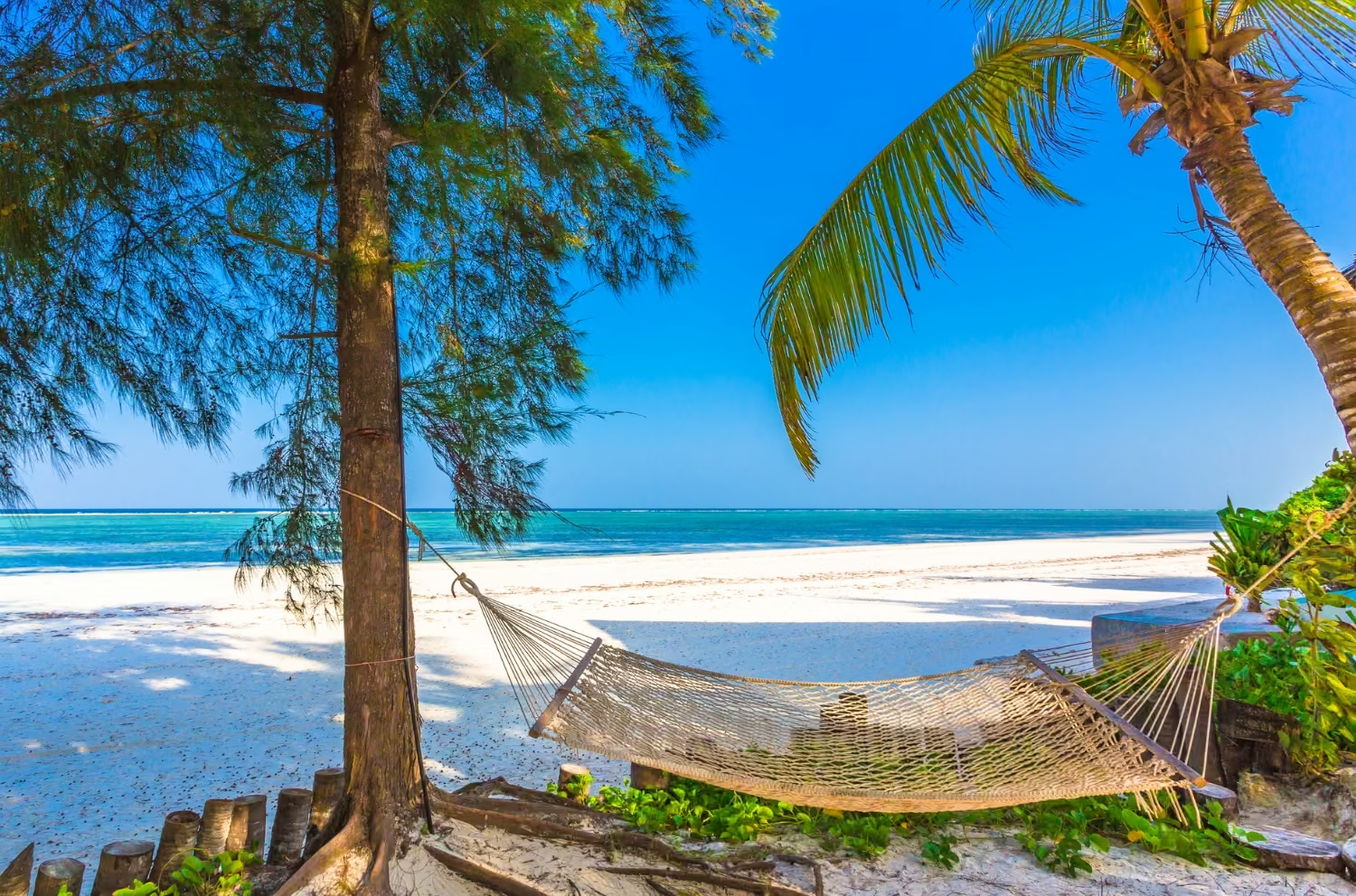
Zanzibar Island, also known as Unguja, is a tropical paradise located off the coast of Tanzania in the Indian Ocean. Renowned for its white sandy beaches, turquoise waters, rich cultural heritage, and unique biodiversity, Zanzibar is a top destination for travelers seeking relaxation, adventure, and history. Managed under the semi-autonomous government of Zanzibar and integrated into Tanzania’s tourism framework, the island offers a blend of exotic beaches, spice farms, and historical landmarks, making it one of East Africa’s most enchanting destinations.
History of Zanzibar Island
Zanzibar has a long and fascinating history shaped by trade, colonial influence, and diverse cultures. Its strategic location along the Indian Ocean made it a key trading hub for spices, ivory, and slaves. Over the centuries, it has been influenced by Persian, Arab, Portuguese, and British cultures, leaving a rich historical and architectural heritage that continues to attract tourists.
Key points on history include:
Geography and Landscape
Zanzibar Island spans approximately 2,461 square kilometers and features a flat to gently rolling landscape with some low hills. The island is surrounded by pristine coral reefs, mangrove forests, and tropical beaches, creating an environment rich in marine biodiversity.
The geography of Zanzibar includes:
Zanzibar’s combination of coastal and inland ecosystems makes it a hotspot for both eco-tourism and cultural tourism.
Wildlife and Marine Life
Zanzibar Island is home to unique terrestrial and marine biodiversity, attracting nature enthusiasts and eco-tourists. While the island’s terrestrial wildlife is limited compared to mainland Tanzania, its marine environment is rich and diverse.
Key species include:
The Jozani Chwaka Bay National Park is a key conservation area protecting endemic species and mangrove forests, making it a must-visit for eco-tourists.
Accessibility and Travel Tips
Zanzibar Island is easily accessible from both Tanzania mainland and international destinations, making it an ideal tropical getaway.
Visitors can reach Zanzibar by:
Travel tips for visitors include:
Key Highlights of Zanzibar Island
Why Visit Zanzibar Island
Zanzibar Island offers a perfect blend of history, culture, and natural beauty, making it a top destination for travelers to Tanzania. Its pristine beaches, rich cultural heritage, and unique wildlife provide a diverse and unforgettable travel experience. Whether you are seeking adventure, relaxation, or eco-tourism, Zanzibar delivers spectacular scenery, vibrant culture, and unforgettable memories.
At African Treasure – Wilderness Ambassadors, we provide customized Zanzibar tour packages, including cultural tours, spice farm visits, beach resorts, and marine excursions. Our professional guides ensure a safe, comfortable, and enriching travel experience, offering insight into the island’s history, wildlife, and vibrant culture, creating a truly memorable Zanzibari adventure.