Tel: +255 767 885 612

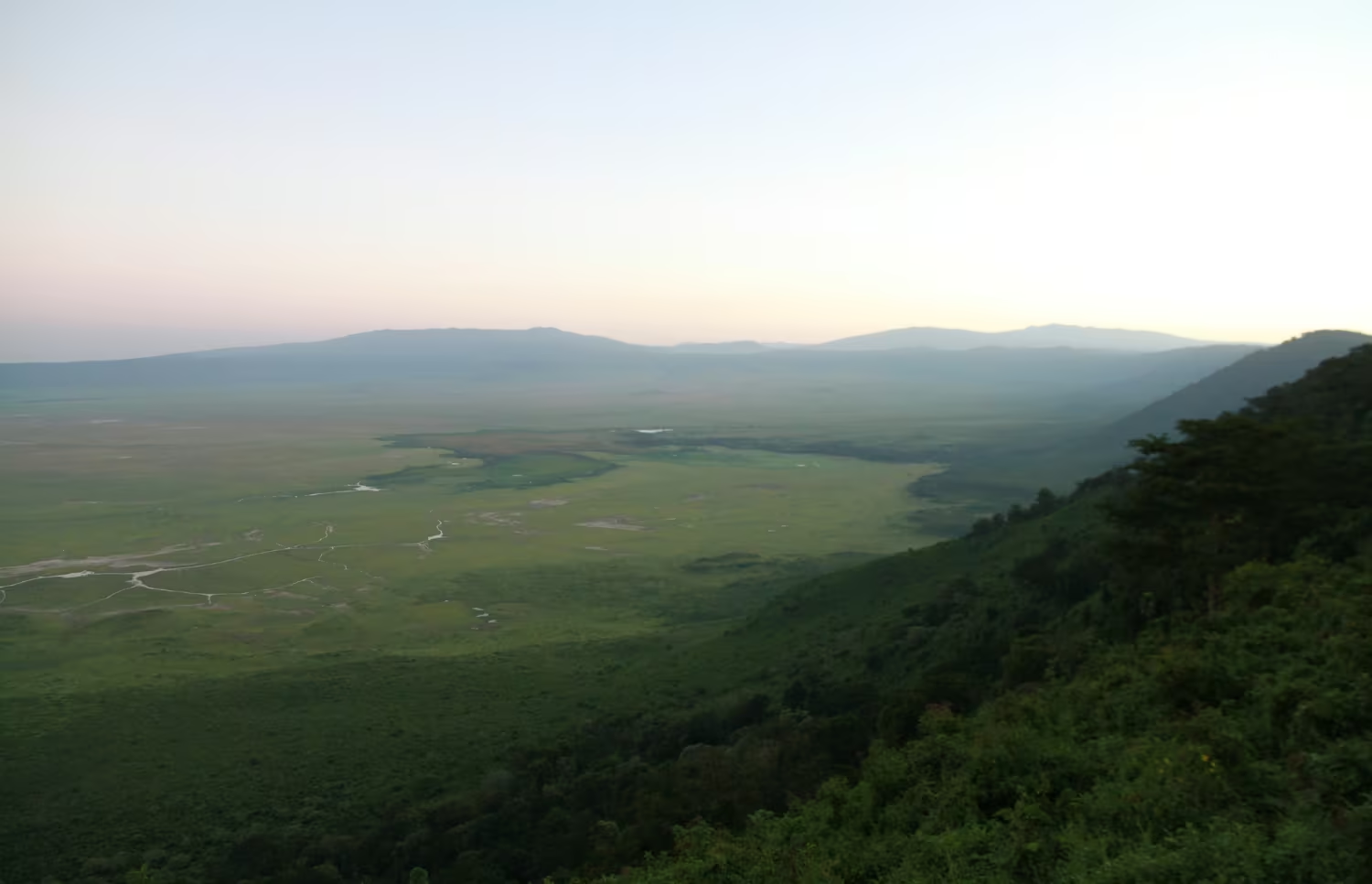
Ngorongoro Conservation Area, located in northern Tanzania, is a world-famous wildlife and cultural destination recognized for its breathtaking landscapes, extraordinary biodiversity, and rich Maasai heritage. Managed by the Ngorongoro Conservation Area Authority, this unique conservation area combines wildlife protection, sustainable tourism, and cultural preservation, making it a must-visit destination for any traveler exploring northern Tanzania.
History of Ngorongoro Conservation Area
The Ngorongoro Conservation Area was officially established in 1959 to protect the Ngorongoro Crater and surrounding ecosystems, while also preserving the traditional lifestyle of the Maasai people who inhabit the area. It is a UNESCO World Heritage Site, recognized for its exceptional geological formations, biodiversity, and cultural significance.
Key points on history include:
Geography and Landscape
Ngorongoro Conservation Area covers approximately 8,292 square kilometers, featuring diverse landscapes ranging from volcanic highlands to grasslands, forests, and soda lakes. Its most famous feature is the Ngorongoro Crater, a collapsed volcanic caldera spanning about 260 square kilometers with a depth of approximately 600 meters.
The area offers a variety of natural habitats, including:
This combination of volcanic highlands, craters, and fertile plains makes the Ngorongoro Conservation Area a unique ecosystem for both wildlife and human activity.
Wildlife in Ngorongoro Conservation Area
Ngorongoro Conservation Area is home to one of the most concentrated wildlife populations in Africa. Its diverse habitats support predators, herbivores, and thousands of bird species, making it a premier safari destination.
Key species include:
The Ngorongoro Crater itself is often referred to as a natural wildlife sanctuary, where animals coexist in a rich, self-sustaining ecosystem.
Accessibility and Travel Tips
Ngorongoro Conservation Area is conveniently located approximately 180 kilometers from Arusha city, making it easily accessible for day trips, overnight tours, or multi-day safaris.
Visitors can reach the area by:
Travel tips for visitors include:
Key Highlights of Ngorongoro Conservation Area
Why Visit Ngorongoro Conservation Area
Ngorongoro Conservation Area offers a perfect combination of wildlife, culture, and breathtaking landscapes. Its dense wildlife populations, dramatic crater scenery, and Maasai heritage make it a must-visit destination for any safari adventure in Tanzania. Whether you are a photographer, wildlife enthusiast, or cultural explorer, Ngorongoro guarantees unforgettable experiences and iconic African safari memories.
At African Treasure – Wilderness Ambassadors, we provide customized safari packages to the Ngorongoro Conservation Area. Our professional guides ensure safe, informative, and immersive journeys, highlighting wildlife behavior, ecological significance, and local Maasai culture, creating a memorable and enriching safari adventure.