Tel: +255 767 885 612

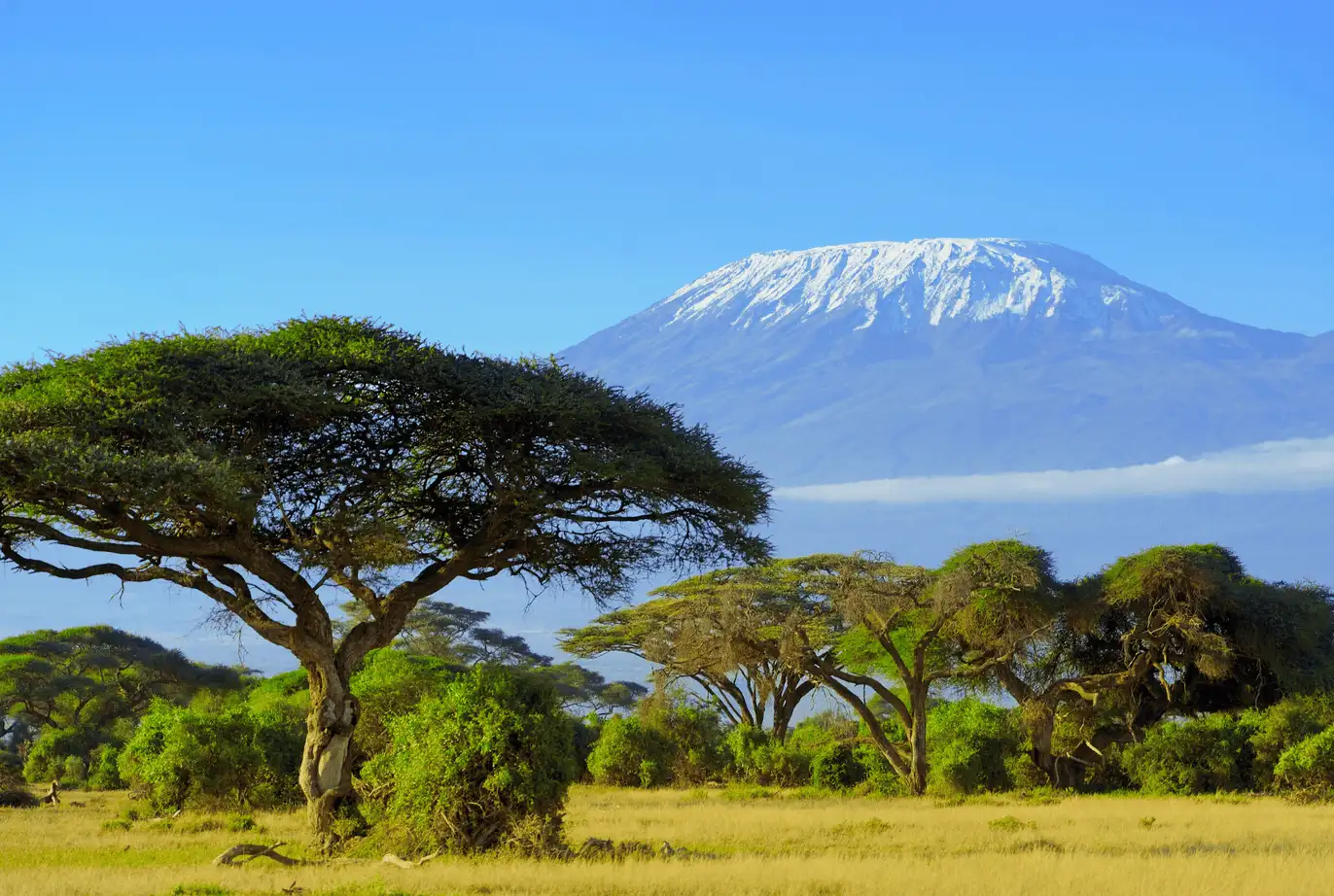
Mount Kilimanjaro National Park, located in northeastern Tanzania near the border with Kenya, is home to Africa’s highest peak, Mount Kilimanjaro. Renowned for its towering snow-capped summit, diverse ecosystems, and challenging trekking routes, the park attracts adventurers, hikers, and nature enthusiasts from around the world. Managed by the Tanzanian National Parks Authority, Mount Kilimanjaro National Park is both a world-renowned trekking destination and a biodiversity hotspot, offering unforgettable experiences for tourists seeking adventure and natural beauty.
History of Mount Kilimanjaro National Park
Mount Kilimanjaro National Park was officially established in 1973 to protect the mountain’s unique ecosystems and wildlife, as well as to promote eco-tourism and sustainable mountain climbing. The mountain itself has been a source of fascination for explorers and adventurers for centuries, inspiring countless expeditions to its summit.
Key points on history include:
Park Geography and Landscape
Mount Kilimanjaro National Park covers approximately 1,688 square kilometers, encompassing the majestic Mount Kilimanjaro and surrounding montane forests. The park features three distinct ecological zones, each offering unique landscapes and biodiversity:
The park’s elevation ranges from about 1,800 meters at the base to 5,895 meters at the summit, providing diverse trekking experiences and breathtaking panoramic views of Tanzania and beyond.
Wildlife in Mount Kilimanjaro National Park
While the park is primarily known for trekking, it also supports a diverse range of wildlife, particularly in the lower montane and forested areas.
Key species include:
The park’s biodiversity varies with altitude, offering tourists both wildlife viewing and unique botanical experiences along the trekking routes.
Accessibility and Trekking Tips
Mount Kilimanjaro National Park is conveniently accessible from Arusha city, located approximately 90 kilometers away, making it a popular base for climbers and visitors.
Visitors can access the park by:
Important trekking and travel tips include:
Key Highlights of Mount Kilimanjaro National Park
Why Visit Mount Kilimanjaro National Park
Mount Kilimanjaro National Park provides a once-in-a-lifetime adventure, combining mountain climbing, wildlife experiences, and breathtaking scenery. Its diverse ecosystems, iconic summit, and rich biodiversity make it a top destination for travelers seeking adventure, photography, and nature exploration. Whether you are an experienced trekker or a nature enthusiast, the park promises unforgettable memories and spectacular African landscapes.
At African Treasure – Wilderness Ambassadors, we offer customized Kilimanjaro trekking packages with professional guides, porters, and logistical support, ensuring a safe, comfortable, and enriching climbing experience. Our expert teams provide detailed guidance on acclimatization, wildlife spotting, and local cultural insights, making your journey to Africa’s roof truly exceptional.