Tel: +255 767 885 612

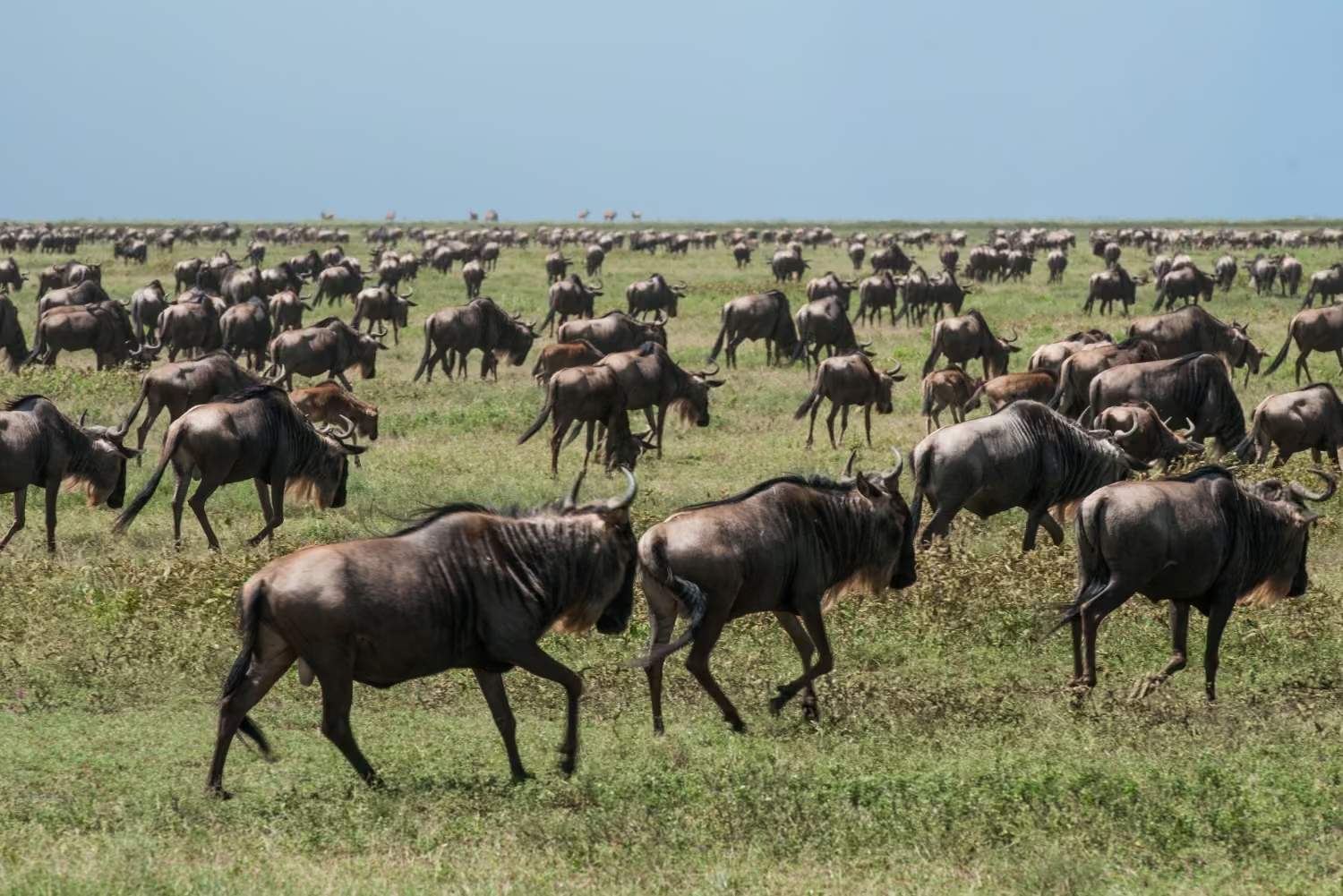
Serengeti National Park, located in northern Tanzania, is one of the most iconic safari destinations in the world. Renowned for its vast plains, incredible wildlife diversity, and the legendary Great Migration, the Serengeti is a bucket-list destination for every nature and adventure traveler. Managed by the Tanzanian National Parks Authority, the park offers unforgettable safari experiences, stunning landscapes, and unique encounters with Africa’s wildlife.
History of Serengeti National Park
Serengeti National Park was officially established in 1951 to protect the region’s extraordinary biodiversity and unique ecosystems. The name Serengeti comes from the Maasai word Siringet, meaning “endless plains,” reflecting the park’s expansive savannah landscapes. Over the decades, Serengeti has gained global recognition for its conservation efforts, wildlife research, and tourism significance.
Park Geography and Landscape
Serengeti National Park covers approximately 14,750 square kilometers, making it one of the largest national parks in Tanzania. The park’s landscape features endless savannahs, riverine forests, kopjes (rocky outcrops), and grassy plains, providing diverse habitats for wildlife.
The park is divided into different regions, each offering unique safari experiences:
The park’s diverse landscapes make it perfect for photography, game drives, and birdwatching, offering a truly immersive safari experience.
Wildlife in Serengeti National Park
Serengeti National Park is renowned for its extraordinary wildlife diversity. It is home to the Big Five, hundreds of other mammals, and over 500 bird species, making it a paradise for wildlife enthusiasts.
Key species include:
The Great Migration, occurring annually between July and October, is one of the most spectacular wildlife events on Earth, featuring dramatic river crossings and predator-prey interactions.
Accessibility and Travel Tips
Serengeti National Park is accessible from multiple points in northern Tanzania, making it ideal for
multi-day safaris or luxury lodge stays.
Visitors can reach the park by:
Travel tips include:
Key Highlights of Serengeti National Park
Why Visit Serengeti National Park
Serengeti National Park offers a once-in-a-lifetime safari experience, combining wildlife, adventure, and natural beauty. Its immense size, extraordinary biodiversity, and iconic landscapes make it a must-visit destination for anyone traveling to Tanzania. Whether you are a photographer, wildlife enthusiast, or adventure traveler, the Serengeti guarantees memorable encounters with Africa’s majestic wildlife.
At African Treasure – Wilderness Ambassadors, we provide customized safari experiences in Serengeti National Park. Our expert guides deliver insightful wildlife commentary, safe and comfortable safari journeys, and personalized itineraries, ensuring your visit is both educational and unforgettable.