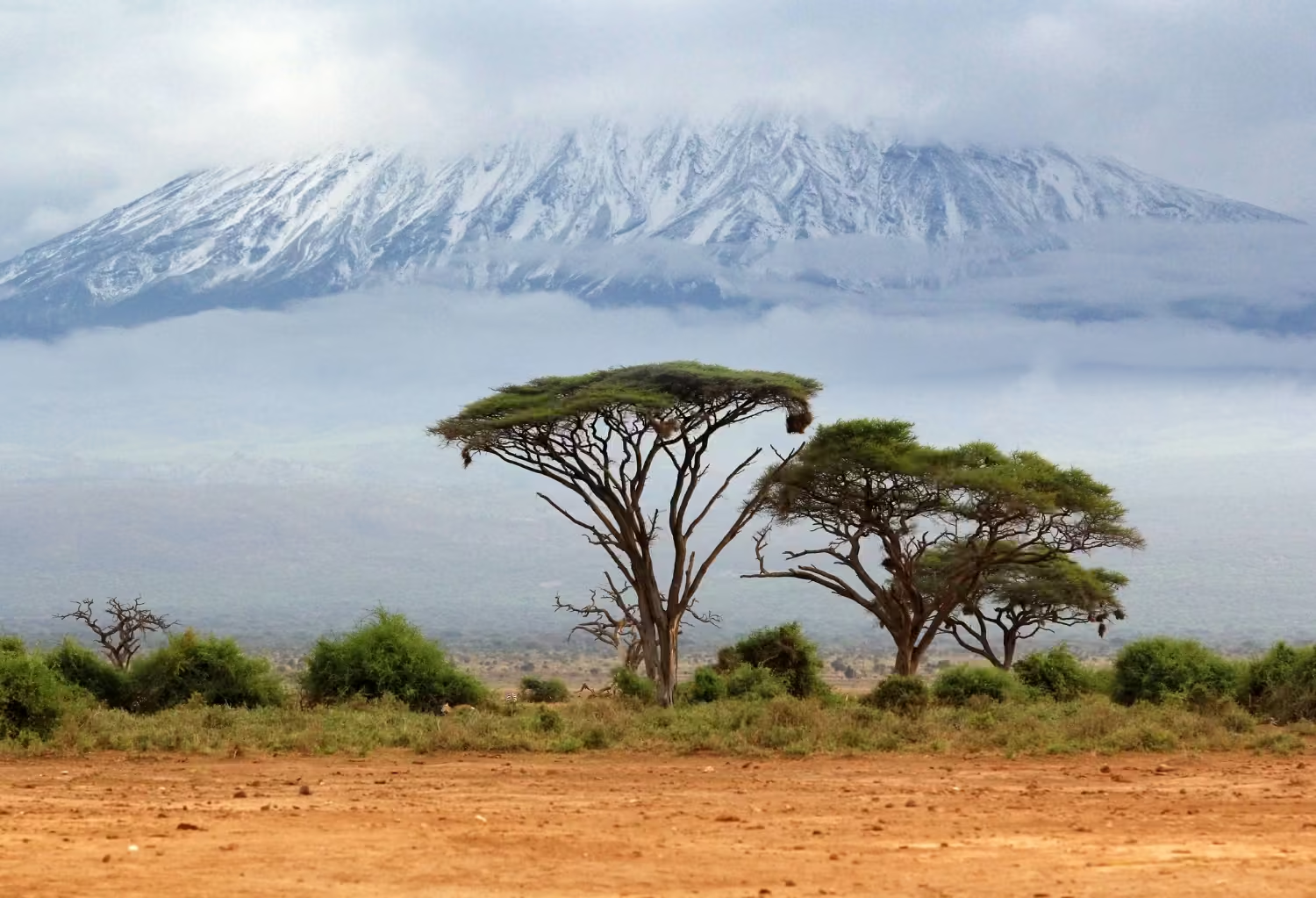
Tanzania is a land of breathtaking landscapes, from the soaring peaks of Mount Kilimanjaro to the vast plains of the Serengeti and the tropical beaches of Zanzibar. Understanding the weather in Tanzania is essential for planning a memorable safari, cultural tour, or beach holiday. As a country located near the equator, Tanzania experiences a unique climate that combines tropical, subtropical, and highland weather patterns, offering diverse experiences for travelers throughout the year.
Overview of Tanzania’s Climate
Tanzania’s climate can generally be classified into three main regions: coastal areas, highlands, and the northern and central safari circuits.
- Coastal Regions: Cities like Dar es Salaam and Zanzibar experience hot, humid, and tropical weather throughout the year. Average temperatures range from 25 to 32°C, with the hottest months typically being December to March.
- Highland Areas: The northern highlands, including Arusha and Moshi near Mount Kilimanjaro, have cooler temperatures ranging between 15 and 25°C. Rainfall is higher here, creating lush landscapes perfect for trekking and nature exploration.
- Northern and Central Safari Circuits: Popular safari destinations like Serengeti, Ngorongoro, Tarangire, and Lake Manyara have warm and dry climates most of the year, ideal for wildlife viewing. Temperatures usually range from 20 to 28°C.
Best Time to Visit Tanzania
When planning a trip, understanding Tanzania’s seasonal weather is crucial to maximize your experience.
- Dry Season (June to October): This is the most popular time for safaris. Wildlife congregates around waterholes, making it easier to spot the Big Five. Days are warm and sunny, while nights can be cool in the highlands.
- Short Rainy Season (November to December): Expect brief, heavy showers, often in the afternoon. Despite the rain, this period is excellent for photography as the landscapes are vibrant and green.
- Long Rainy Season (March to May): Heavy and persistent rains can make some roads challenging for travel. However, this is the best time to experience fewer crowds, lush scenery, and newborn wildlife in the parks.
- Transitional Months (January, February, May): These months offer a mix of sun and occasional showers. Ideal for travelers seeking a balance between fewer crowds and good wildlife viewing.
Temperature Variations Across Regions
Understanding temperature variations will help tourists pack and plan activities efficiently:
- Arusha and Mount Kilimanjaro Area: Temperatures range from 10°C at night to 25°C during the day. Weather can change quickly, especially at higher elevations.
- Serengeti and Ngorongoro: Expect daytime highs around 28°C and cooler mornings. Early morning game drives require warm layers.
- Zanzibar and Coastal Beaches: Warm tropical climate with temperatures between 25 and 32°C, high humidity, and gentle coastal breezes.
Rainfall Patterns
Rainfall in Tanzania varies greatly by region:
- Northern Circuit: Receives moderate rainfall during the short and long rains, typically 50 to 150 mm per month.
- Southern Highlands: Heavy rainfall supports dense forests and tea plantations.
- Coastal Areas: Humid with frequent afternoon showers during rainy seasons.
Key points to consider:
- Short Rainy Season: Brief showers but landscapes are lush and wildlife is abundant.
- Long Rainy Season: Travel may be affected due to muddy tracks; some parks may be partially inaccessible.
- Dry Season: Ideal for photography and wildlife spotting.
Tips for Travelers Based on Weather
- Pack for Layers: Highland mornings and evenings can be chilly, while daytime in safari regions is warm.
- Rain Gear: If traveling during the rainy seasons, waterproof jackets and sturdy shoes are essential.
- Sun Protection: Sunscreen, hats, and sunglasses are crucial, especially in dry and sunny regions.
- Stay Hydrated: The dry season can be hot, so always carry water during game drives.
- Plan Activities Around Weather: Safari drives are best early in the morning or late afternoon. Trekking is safest during dry months.
Tanzania’s weather is as diverse as its landscapes and wildlife, making it a year-round destination for travelers. Understanding regional climate patterns and seasonal changes is key to planning a successful safari, cultural tour, or tropical getaway. Whether you are exploring the wild plains of the Serengeti, climbing Mount Kilimanjaro, or relaxing on Zanzibar’s beaches, African Treasure – Wilderness Ambassadors ensures you have expert guidance to experience Tanzania at its finest, no matter the season.
Plan your adventure today and embrace the beauty, warmth, and magic of Tanzania’s climate, making every journey unforgettable.