Tel: +255 767 885 612

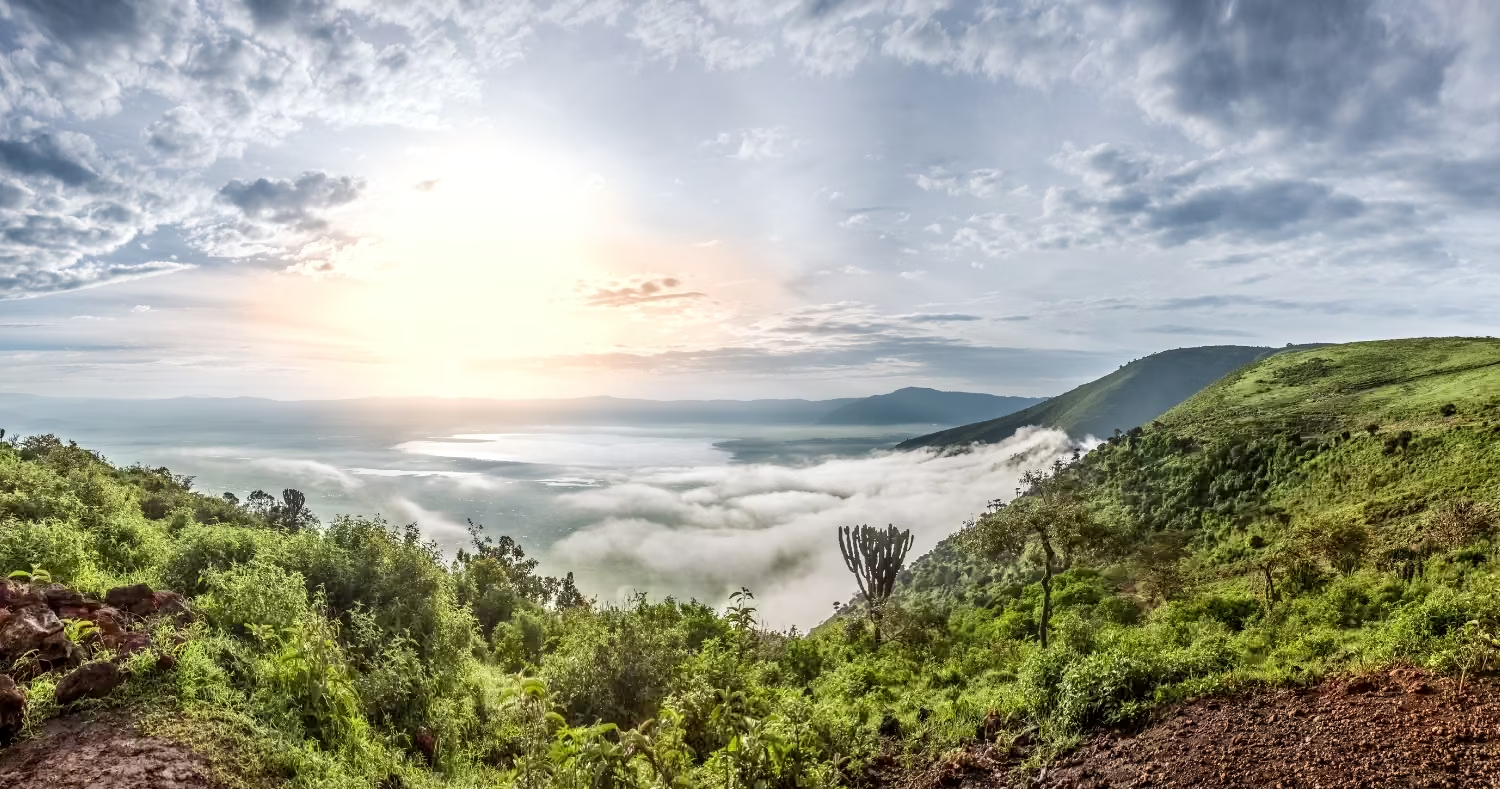
At African Treasure – Wilderness Ambassadors, based in Arusha, Tanzania, conservation is not just a concept but a responsibility we live by every day. Tanzania is one of Africa’s most important conservation strongholds, home to vast protected areas, diverse ecosystems, and some of the world’s most iconic wildlife species. Understanding conservation in Tanzania allows visitors to appreciate not only the beauty of the country but also the efforts that protect its natural heritage for future generations.
The Importance of Conservation in Tanzania
Tanzania holds an extraordinary concentration of wildlife and natural landscapes. From the endless plains of the Serengeti to the unique Ngorongoro Crater and the rich marine ecosystems along the coast, conservation plays a critical role in maintaining ecological balance. Conservation protects biodiversity, supports sustainable tourism, and ensures that wildlife habitats remain intact. Without effective conservation, these natural treasures would be at risk.
Protected Areas and National Parks
Tanzania has an extensive network of protected areas that form the backbone of its conservation efforts. National parks, conservation areas, and reserves are established to safeguard wildlife and natural ecosystems. These protected areas provide safe habitats for animals to roam freely and reproduce naturally. They also allow visitors to experience wildlife in its natural environment while contributing to conservation through park fees and responsible tourism.
Wildlife Conservation and Biodiversity
Tanzania is renowned for its incredible biodiversity. The country is home to large populations of elephants, lions, leopards, buffalo, rhinos, and countless other species. Wildlife conservation focuses on protecting these animals from threats such as habitat loss and illegal activities. Conservation initiatives aim to maintain healthy populations and preserve the natural interactions between species within their ecosystems.
The Role of Conservation Areas
Conservation areas in Tanzania are unique because they balance wildlife protection with human activity. These areas allow local communities to live alongside wildlife while promoting sustainable land use. This approach supports both conservation goals and community livelihoods, creating a model where people and nature coexist. Conservation areas play a vital role in protecting migration routes and maintaining ecological connectivity.
Community Based Conservation Efforts
Local communities are at the heart of conservation in Tanzania. Community based conservation empowers residents to take an active role in protecting wildlife and natural resources. By involving communities in tourism, education, and conservation projects, Tanzania promotes long term sustainability. When communities benefit directly from conservation, wildlife protection becomes a shared responsibility.
Conservation and Sustainable Tourism
Tourism is a major contributor to conservation in Tanzania. Sustainable tourism practices ensure that wildlife viewing and outdoor activities do not harm the environment. Responsible safari tourism supports conservation by funding park management, research, and anti poaching efforts. Travelers who choose ethical tour operators help protect Tanzania’s ecosystems through their visit.
Anti Poaching and Wildlife Protection
Anti poaching efforts are a critical part of conservation in Tanzania. Protecting wildlife from illegal hunting ensures the survival of endangered species and preserves ecological balance. Conservation organizations, park authorities, and local communities work together to monitor wildlife and prevent illegal activities. These efforts are essential for maintaining healthy wildlife populations.
Conservation of Marine and Coastal Ecosystems
Tanzania’s conservation efforts extend beyond land to include marine and coastal environments. Coral reefs, mangroves, and marine wildlife are protected to maintain healthy ocean ecosystems. Marine conservation supports fisheries, tourism, and coastal communities while preserving biodiversity beneath the surface. Protecting these ecosystems is essential for the overall environmental health of the country.
Environmental Education and Awareness
Education plays a key role in conservation success. Environmental education programs help raise awareness about the importance of protecting wildlife and natural habitats. By educating local communities and visitors alike, Tanzania fosters a culture of conservation. Knowledge encourages responsible behavior and long term commitment to environmental protection.
Conservation and Climate Change
Climate change presents challenges to conservation in Tanzania. Changes in weather patterns affect wildlife habitats, water sources, and migration routes. Conservation strategies increasingly focus on building resilience within ecosystems. Protecting diverse habitats helps wildlife adapt to changing conditions and ensures the sustainability of natural resources.
Responsible Travel and Visitor Participation
Visitors play an important role in conservation. Responsible travel practices such as respecting wildlife, following park rules, and minimizing environmental impact support conservation goals. Travelers who understand the importance of conservation contribute positively to the destinations they visit. Every responsible action helps protect Tanzania’s natural heritage.
Conservation Success Stories in Tanzania
Tanzania has achieved notable conservation successes through collaboration and commitment. Wildlife populations in certain areas have stabilized or increased due to focused protection efforts. These successes demonstrate the effectiveness of long term conservation planning and community involvement. Continued support ensures that these achievements endure.
The Role of Tour Companies in Conservation
Tour companies play a significant role in promoting conservation. Ethical safari operators prioritize responsible tourism, support local communities, and educate travelers about conservation values. At African Treasure – Wilderness Ambassadors, we integrate conservation principles into every journey, ensuring our guests experience Tanzania responsibly and respectfully.
Why Conservation Matters to Future Generations
Conservation is an investment in the future. Protecting wildlife and ecosystems ensures that future generations can experience Tanzania’s natural beauty. Conservation also supports livelihoods, cultural heritage, and national identity. Preserving these resources is essential for long term environmental and economic sustainability.
Conservation Through Safari Experiences
Safaris offer more than wildlife viewing. They are an opportunity to witness conservation in action. Visitors see firsthand how protected areas function and how wildlife thrives when given space and protection. Safari experiences create awareness and appreciation, inspiring travelers to support conservation efforts beyond their visit.
African Treasure – Wilderness Ambassadors and Conservation
As a tour company based in Arusha, Tanzania, African Treasure – Wilderness Ambassadors is deeply committed to conservation and responsible tourism. We work closely with local guides, communities, and conservation initiatives to ensure our operations support environmental protection. Our mission is to act as ambassadors for the wilderness by promoting sustainable travel and conservation awareness.
Supporting Conservation Through Travel Choices
Every travel choice has an impact. Choosing responsible tour operators, respecting wildlife, and supporting conservation focused tourism helps protect Tanzania’s ecosystems. Conscious travel decisions contribute directly to preserving natural habitats and wildlife populations.
Experience Conservation in Tanzania
Tanzania offers travelers the rare opportunity to experience thriving wildlife and unspoiled landscapes. Conservation makes these experiences possible. By understanding and supporting conservation efforts, visitors become part of the solution. Travel becomes meaningful when it contributes to protecting the places we love.
Protecting Tanzania’s Natural Heritage Together
Conservation in Tanzania is a shared responsibility between government, communities, conservation organizations, and travelers. Through collaboration and commitment, Tanzania continues to protect its extraordinary natural heritage. African Treasure – Wilderness Ambassadors invites you to explore Tanzania responsibly and be part of a conservation story that lasts for generations.